
You hear a lot about the gluten-free diet these days. It seems to have emerged out of thin air and is certainly taking the world by storm, and for good reason.
What is gluten and why are some people intolerant to it?
Gluten is the general term for the proteins which are found in wheat products. gluten is the binding agent if you will , that helps to hold together baked goods such as bread.
More and more people are being diagnosed with some form of gluten intolerance such as celiac disease which is a well-known autoimmune disorder that’s triggered by consuming gluten products and causes the immune system to attack the lining of the small intestine. The effects of cleliac disease can be quite devastating and eventually lead to a complete erosion of the villi (finger-like tentacles that help absorb nutrients from food) causing serious nutritional deficiencies.

Although it’s becoming more and more prominent, a gluten-free diet remains largely misunderstood by the general public and has received mixed reactions from medical professionals around the world. Some believe that a gluten-free diet is a great way to lower inflammation and rid the body of unnatural and overly-processed foods while others believe it to be a short-lived diet fad expected to eventually fizzle out.
So what are the benefits of a gluten free diet?
Despite conflicting information, and bitter strife around the subject, there are undeniable benefits to eliminating or at the very least, limiting gluten from our diet. The best part, you do not need to have pre-existing gluten allergy/intolerance to do so.
- Making better food choices overall. Going gluten free generally means that you become more conscious of the food choices you are making, which leads to better ingredient selection and limiting the amount of food preservatives and additives you are consuming. It’s important to keep in mind however that many pre-boxed gluten free snacks aren’t necessarily healthier and oftentimes do contain higher levels of food additives and sugar.
- Increased energy. When we limit or eliminate the amount of gluten in our diet, we oftentimes begin to notice an increase in our energy. Most people don’t realize the amount of work it takes the body to digest wheat products overall so by limiting their consumption, our system can utilize that energy to help the body and mind function more efficiently.
- You may lose weight. Between the newfound sustained energy from limiting gluten, coupled with making improved food choices, weight loss oftentimes follows. Our increased energy can help us exercise and be more active overall.
- Improved vitamin absorption. Limiting or eliminating gluten can allow our digestive system to more easily absorb the nutrients from the foods we consume. This in turn leads to increased vitality and can even lead to a decreased risk of diseases and infections within the body. It’s important to note however that many gluten-free foods may have decreased vitamin content so always read the ingredient label and make sure to include plenty of fresh fruits and veggies to your diet.
As with any new dietary regimen, It’s important to first discuss any significant changes and health related risks with your doctor or holistic health practitioner. It’s also important to note that a gluten-free diet is certainly not for everyone. Proper education and understanding of any side effects associated with a gluten-free diet are fundamental in making the right choices.
Do I eat gluten?
My motto in life as I talk about quite frequently on my blog is moderation and balance. There are pros and cons to any kind of diet so its imperative that you first do your research thoroughly before beginning. What may work for someone, may not be effective or even healthy for you. I strongly believe that if you do not have any real, medical reason (such as celiac disease) to cut out a gluten (or any food) entirely, you probably should think twice about doing so or at least do extensive research until you consult with a doctor/nutritionist.
Now with that being said, I do oftentimes try to limit the amount of gluten in my diet. I find that by doing this, I eat lighter more nutrient rich foods and therefore, have better energy throughout the day. I know it isn’t always easy or practical to eat gluten-free all the time which is why I strive for moderation instead. So the short answer is yes, I do still eat gluten products.
What’s more, most of us lead busy lives making it even more difficult to eat healthier overall, and I personally get that fully which is why I opt to make better food options rather than striving for perfection in the way we eat.
How can you eat healthier when you have no time?
I get asked this question often and the answer is quite simple. Find little ways to eat better whenever you can. A great example of this was last week when I first discovered that I could order a gluten-free crust at Papa Johns.
I liked that their gluten free crust was made using ancient grains such as sorghum, teff, amaranth, and quinoa. Each of these grains contain their own respective nutrients and essential vitamins and minerals often not present in modern day wheat products.
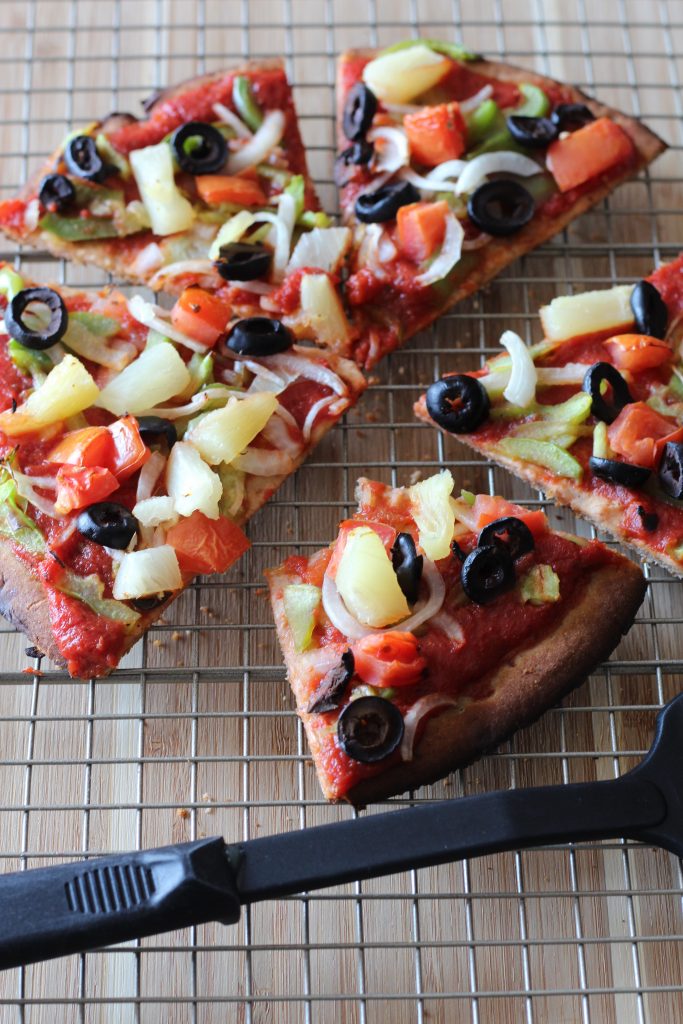
Although Pizza is not always regarded as a “health food”, I found a couple of loop holes to make it a much better option. For one, when I placed the order, I asked them to “hold the cheese”. Believe it or not, cheese-less pizza not only tastes delicious, It’s an easy way to instantly make it healthier by eliminating unnecessary cholesterol and fat.
I also asked for them to include more veggies. As Americans, we already aren’t consuming the recommended amounts of vegetables (and fruits) in our diet so finding small ways to incorporate them makes a world of difference. It’s nice when your favorite go-to spots offer healthier alternatives to the foods you already enjoy!
If you want to check out the Papa Johns Gluten Free crust for yourself, visit www.papajohns.com to find a store near you and place your online order using promo code: GLTN2T to enjoy a 2-topping gluten-free crust pizza for yourself!


Thanks so much for stopping by!