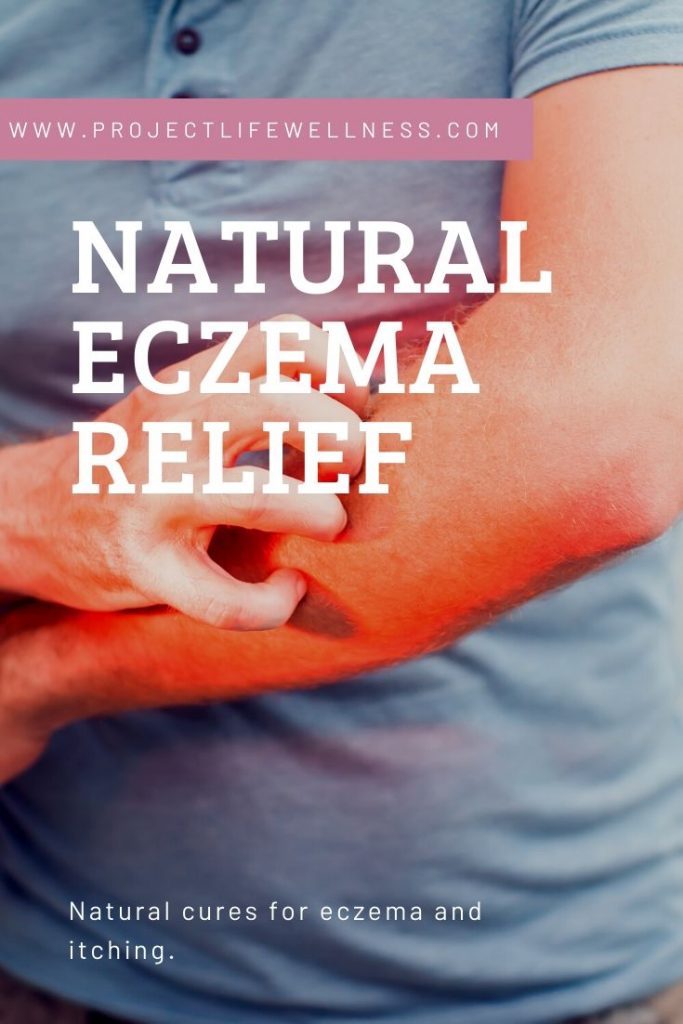
Eczema is a skin condition where the skin becomes patchy and inflamed. The skin starts to look red, itchy and cracked with sometimes blisters on it. A common form of eczema is the Atopic Dermatitis. Atopic means the diseases involving a problematic immune system, conditions like atopic dermatitis, asthma, and hay fever. Dermatitis stands for the inflammation of the skin.
How long does it last for?
It’s a chronic condition. While some people find a cure and treat it safely, others have to struggle with it throughout their adulthood. There are things that can trigger eczema so you can control it to some extent if you avoid these conditions:
- Certain nuts and dairy products can trigger eczema
- Environmental factors like pollen, dust, and smoke can make the symptoms worse
- It gets worse with scratching and can take a form of an infection
Eczema is non-contagious, and the symptoms may vary from person to person.
Symptoms
Eczema is a common problem for children below five years of age. Infants have a worse kind of itching. The symptoms do vary as we grow up. Generally, it improves with time. The most common symptoms include:
- Rashes appear in the creases and where the skin folds, like the nape of the neck
- The skin can become dry and extremely itchy
- Scaly skin and discolored patches
- Infections and skin allergies
- Irritated skin, mostly on the face and the neck
Itching is the most irritating and discomforting part of eczema, and it is really hard to stop oneself from scratching. Rubbing and scratching can cause more redness and inflammation and can make things worse.
How to stop scratching?
Scratching can lead to scarring and infection. It is really important to control that, here are a few things that can help you out and make you deal with this safely:
Rub some aloe gel
Aloe Vera gel is antibacterial and antimicrobial. It heals wounds, cracks, and soothes skin inflammation. It makes the skin hydrated, so the skin doesn’t itch or feel dry. You can use the gel directly from the leaves or buy organic, chemicals, and preservatives free aloe gel. Just scoop a little and rub it all over the affected skin.
Apple cider vinegar
Applying some diluted apple cider vinegar on the affected skin can help balance the skin’s acidic levels, which can gradually reduce burning and itching. Stay away from bar soaps and use natural body washes to clean yourself.
Colloidal oatmeal
It’s a form of oats that have skin healing properties. Colloidal oatmeal scrub is an effective way to give your irritated skin a boost of antioxidants. It reduces roughness, scaly skin, and itchiness. It’s a safe option for people with sensitive skin types, and it is equally safe for anybody at any age.
Honey
A naturally antimicrobial and anti-inflammatory agent, honey has a number of healing properties and can even heal skin infections. Try rubbing some Manuka honey on the irritated skin and leave it for 15-20 minutes, rinse it with normal water and pat dry your skin. You can use diluted tea tree oil to moisturize your skin afterward.
Castor oil for eczema treatment
Castor oil is effective in treating eczema. It’s a natural moisturizer and also a great healer. It can reduce the building up of dead skin cells and fasten the healing process by nourishing the deepest layers of the skin. It is packed with anti-inflammatory properties and can be really helpful in reducing swelling, redness, and itchiness.
You can mix it with some sweet almond oil in equal parts or just use it in itself. Both ways it’s going to be a great moisturizer for your skin.
Sunflower oil
It protects the skin’s outer layer and keeps the bacteria away. It is very soothing for dry, irritated skin and should be applied on the skin in its undiluted form. It is an effective way to stop itching naturally and heal the patchy skin as well.
As compared to medications, natural options are better and safer. It may take a little longer to show the effects, but these natural ingredients can deeply heal your skin and make it nourished and healthy. The remedies are to replenish your natural skin barriers and make your skin calm so that it doesn’t feel dry or itchy. Adapt to a healthier lifestyle and drink more water to flush out toxins, practice self-care, and meditation to maintain a healthy balanced body. The healing is always faster in a healthy and happy body.
Author Bio:

Jennifer is a wellness lifestyle writer. She loves sharing her thoughts and personal experiences related to natural remedies, Ayurvedic, yoga and fitness through her writing. She currently writes for How To Cure. She can connect with others experiencing health concerns and help them through their recovery journeys through natural remedies.
Source
- https://newsnetwork.mayoclinic.org/discussion/home-remedies-the-itchy-irritation-of-eczema/
- https://www.aad.org/public/diseases/eczema/eczema-resource-center/skin-care/home-remedies