
If you drink juice with breakfast, here’s a small change worth knowing about: in a new study, simply drinking the same glass of juice 30 minutes before the meal — instead of alongside it — led to a noticeably smaller blood-sugar spike after breakfast.
No new product, no supplement, no giving anything up. Just a clock.
What the researchers actually did
The study, published this month in the journal Nutrients, was a randomized crossover trial from China Agricultural University in Beijing. That design matters: every participant tried both approaches, so each person was compared against themselves.
- 20 healthy adults took part (19 had complete glucose-monitor data), all regular juice drinkers, none with diabetes.
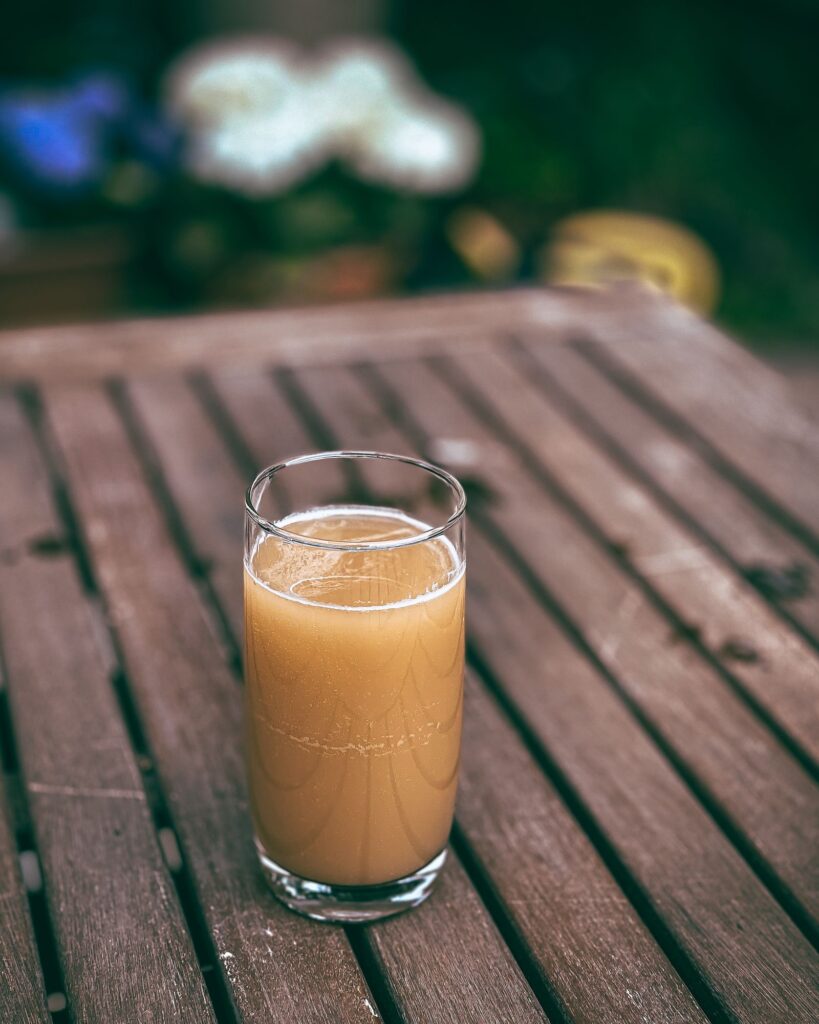
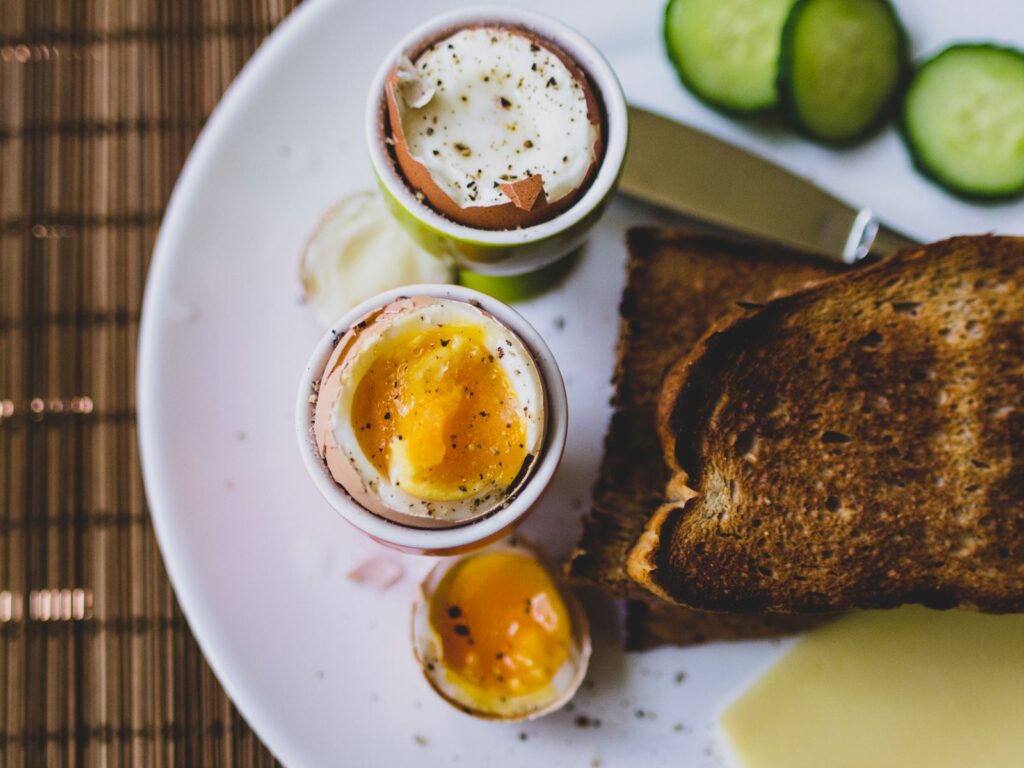
- On one test day, they drank 200 mL (about 7 oz) of 100% apple juice 30 minutes before a standardized breakfast of whole-wheat bread and a boiled egg.
- On the other day, they drank the same juice with the same breakfast.
- Everyone wore a continuous glucose monitor, and lunch and dinner were standardized too, so the researchers could see whether the morning timing trick carried over to later meals.
What they found
Drinking the juice first paid off at breakfast:
- The peak blood-sugar level after breakfast was lower by 0.51 mmol/L (roughly 9 mg/dL) in the juice-first condition.
- The size of the spike — the rise from before the meal to the peak — was smaller too.
- The effect did not carry over to lunch or dinner. This was a breakfast-only finding.
Why might this work? The researchers point to a priming effect: the small sugar load arriving early appears to get the body’s insulin response started ahead of the meal, so when the meal’s carbohydrates arrive, they’re handled more smoothly. It’s similar to why eating vegetables and protein before the carb portion of a meal is known to soften the glucose rise.
What the study does not show
A little honesty, because headlines won’t give it to you:
- The total sugar didn’t change. Overall glucose exposure across the morning (the full area under the curve) was not significantly different. The juice-first approach flattened the peak; it didn’t reduce the total.
- It was a small study — 19 people, all young, healthy adults in one city. The authors themselves say larger trials are needed.
- It wasn’t tested in people with diabetes. If you manage blood sugar as a medical condition, treat this as interesting research, not guidance — and talk to your clinician before changing your routine.
- Juice is still juice. A 200 mL glass of apple juice carries about 25 g of sugar and little of the fiber of a whole apple. This study is about making a habit you already have a little smarter — it is not a reason to start drinking juice for your health.
How to use this, if you already drink juice
- Move the glass, keep the glass. If juice is part of your breakfast, try having it about 30 minutes before you eat rather than with the food.
- Keep the portion honest. The study used 200 mL — a small glass, not a refill-sized pour.
- Mind the rest of the plate. The test breakfast was simple: whole-wheat bread and an egg. Juice timing isn’t a license to load the meal itself with sugar.
- When in doubt, eat the apple. Whole fruit gives you the same flavors with the fiber that juice leaves behind.
Small tweaks, real effects, no hype — that’s the kind of research we like to share.
Cultivate a Life of Balance!
New to juicing, or want to do it well? Our free guide, Juicing For Happiness!, covers the basics — what to juice, how to keep the sugar sensible, and simple recipes to start with. Get the free guide
Sources
Effect of Timing of Apple Juice Consumption on Postprandial Glycemia: A Randomized Crossover Trial. Nutrients, 4 November 2026. https://www.mdpi.com/2072-6643/18/21/3657
This article summarizes published research for general information only and is not medical advice.