“Mamn, do you want to go to the hospital?”
That was the question that the paramedic asked me after driving to the scene of my car accident a few weeks back.
I had been working all day and left to go pick up my kids who I’d dropped off to my parents house just a few hours before.
It was rush hour but I was in no real hurry to get there. In fact, I was listening to a podcast in the car, cool as a clam making sure to drive as defensively as possible.
The moment my car got hit
As I got ready to make a left turn at a yellow light, I looked ahead and made sure that all of the cars were stopped or at least coming to a stop.
To my shock, one of those cars decided that he would keep driving through the intersection after I began making my turn, despite the light having turned red– at around 45 miles an hour.
In that instant, I knew I was going to get hit, there was no way to avoid it. It happened so quickly and even though I saw him trying to swerve around me, his car crashed right into mine, t-boning the passenger side before bouncing off and hitting someone behind me as well.
My airbags all deployed
The impact was so strong that all of my airbags deployed, causing smoke to fill the car. I almost couldn’t believe this just happened.
I unbuckled myself and walked out of the car–unable to see clearly because my glasses has flown off my face during the impact.
Squinting, I walked over to the other cars to make sure they were ok and to gather insurance information. There we were, a 3-car accident stopped in the middle of a busy intersection during rush hour with about 4 cop cars, and 3 ambulances at the scene.
It was hard staying calm.
Needless to say, it was a VERY uncomfortable and stressful situation to be. Afraid that I had unknown injuries that would later show up, I asked to go to the hospital for precautionary testing wearing a neck brace just to be safe.
I also consulted with KFB Law who advised me that they’d help me every step of the process. In fact my conversation with with KFB law helped to keep me grounded during those first few weeks as the fate of my car and liability was decided upon.
Because I deliberately stayed calm the entire time, I was able to make rational decisions that I otherwise would not have been able to make had I been hysterical.
I also was able to call my family and let them know what had happened calmly so that they wouldn’t worry too much.
At this point, I was just so thankful to be alive.
This wasn’t always me.
I’ll be the first to admit that staying calm in difficult situations was never my personal strong suit. In fact, I had such a strong desire to be in control of everything that my attitude, responses, feelings, and actions were anything but calm.
As a result, I dealt with frequent bouts of stress, strained relationships, uncontrolled anxiety, and constant panic attacks.
I knew that I needed to make a change because the way that I was living was toxic to myself and those around me.
Staying calm when It’s difficult to do so.
We cannot control what happens to us but we can control how we respond. Choosing to remain calm doesn’t mean that you should never get angry, upset, sad, or anxious; it simply means not letting these things rob you of your peace, destroy your relationships, and negatively impact your health.
We can choose to remain calm during things like arguments, annoyances, anxiety attacks, and any other negative situation that causes us to become defensive, scared, or worried.
Staying calm during difficult situations helps us to:
- Respond to others in a healthier way
- Act rationally and make better choices
- Avoid ramifications later on
- Limit the amount of stress we feel physically and emotionally
- Allow us to paint a better picture of the incident in our mind
- Decrease the likelihood of developing anxiety/PTSD
How to stay calm:
- Use an anchor. Develop a habit of saying a mantra in your head such as “remain calm first” or, “make calm your first response”. This acts as an anchor thought which you can use whenever you find yourself getting worked up, angry, fearful, or stressed. Choosing to stay calm, will allow you to make better choices overall.
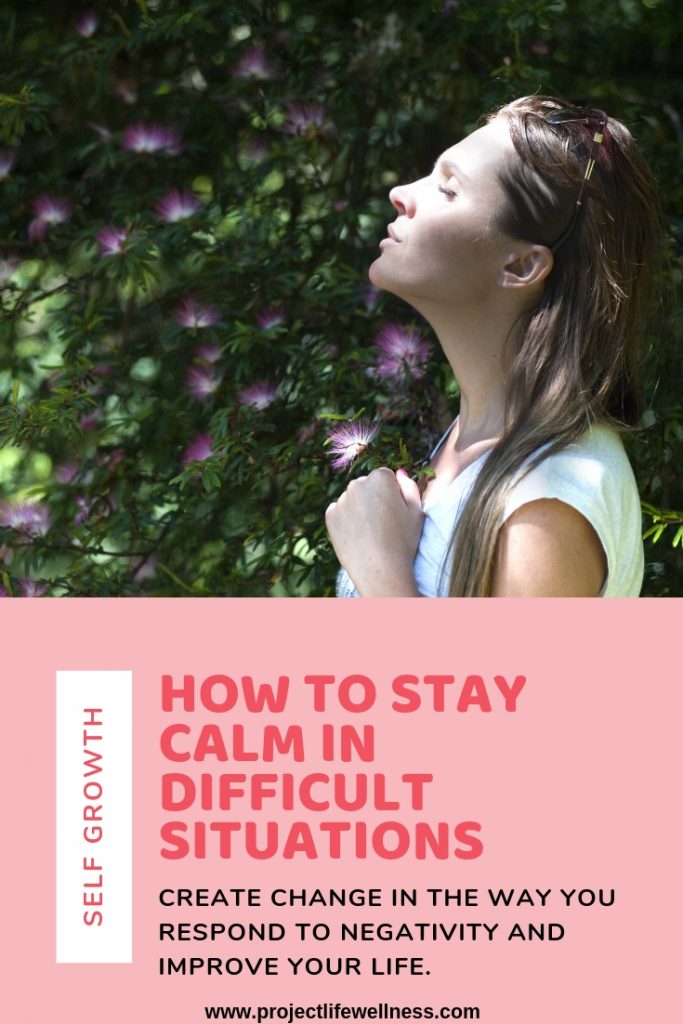
- Breathe. Take a deep breathe before you respond. Breathing deeply calms the nervous system and you can use that second or two to think about how you’ll respond. This works best during things like arguments/disagreements or when someone says or does something that irritates you in some way.
- Accept. Never under estimate the power of acceptance. This doesn’t mean that you deserve what is happening to you or that you’re ok with it. What this means is that although you cannot control what you’re going through, you can control how you respond. Understand that the true power lies in letting go of the need to be in control and allowing true wisdom and acceptance to take over.
- Focus on the solution. When we receive bad news, it’s normal to immediately get upset and dwell on the problem . However, doing this only serves to cloud our thinking and prevents us from finding a solution instead. Accept that you have a problem and focus your attention instead on what you can do moving forward. This will greatly limit the time you spend being upset.
- Time your reactions. Allow yourself to get upset for 5-10 minutes but after that, MOVE ON. Look for the positives in the negatives and begin to see that nothing ever happens TO us but rather FOR us. Stop allowing yourself to dwell in misery and worry for longer than you need to.
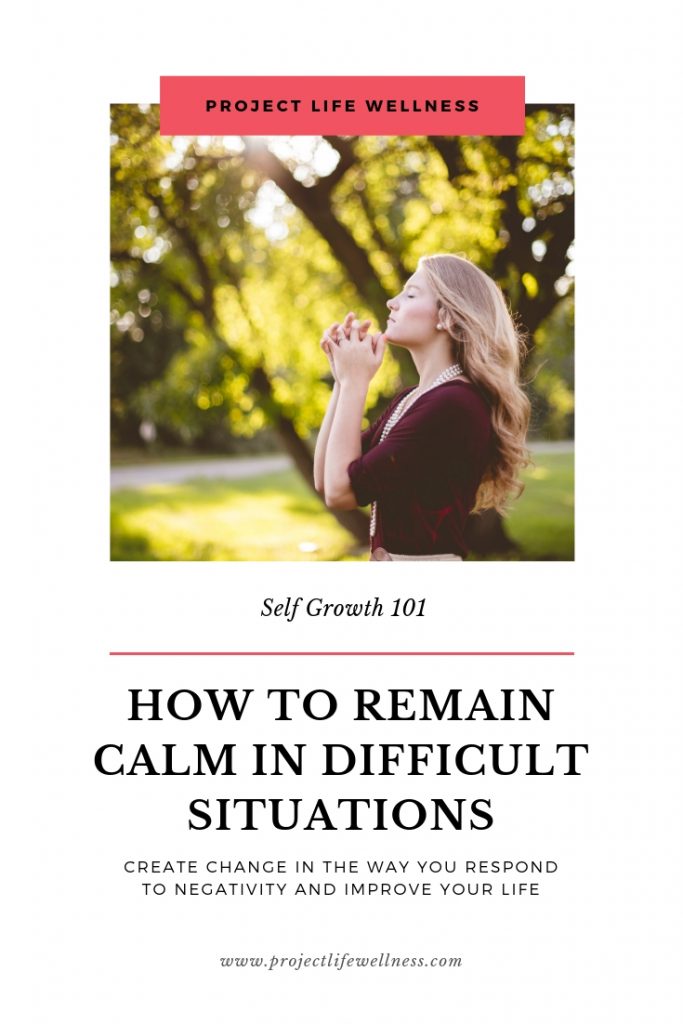
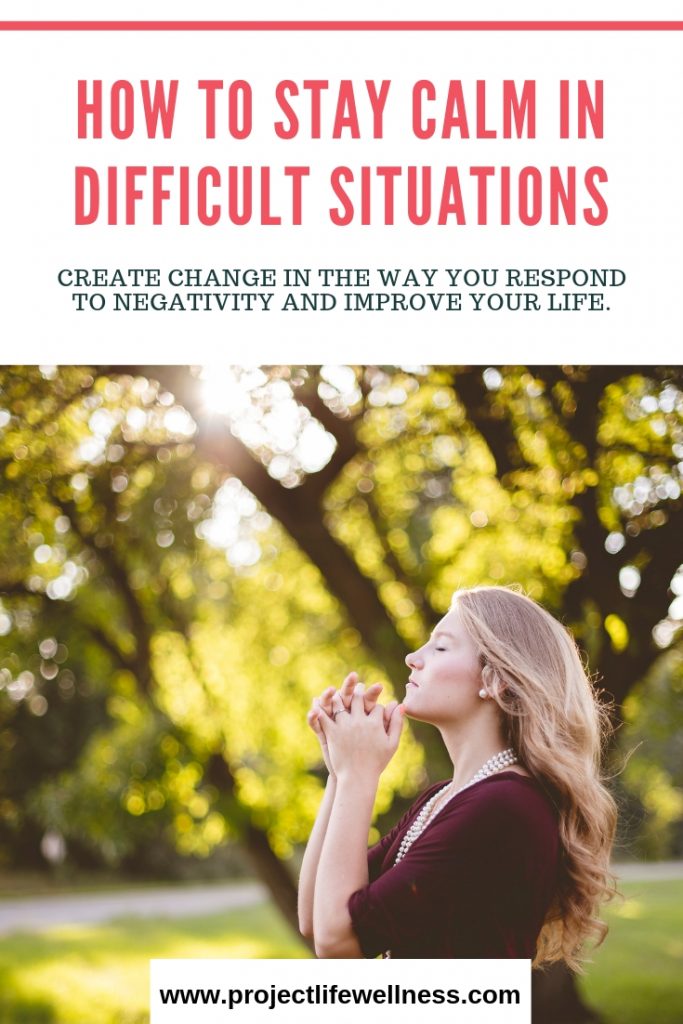
- Pray. I cannot explain how much the power has prayer has helped me in my life. It has helped me get clarity on my problems, it has helped me figure out a solution, and has helped me respond better overall to negativity in my life. If you are not a praying person, meditation can certainly help you get clarity as well.
Getting upset, dwelling, responding in anger, and saying “why me” are all very normal ways to respond to negative situations. However, staying in that mindset for long periods of time can cause us a great deal of stress and can have a negative impact on our health and well-being as well.
Do I still get angry or sad when bad things happen? you betcha. The difference is I now choose to stay calm FIRST, allow myself some time to dwell, and then move on to finding a solution.
Only you can change you.
To me, personal development is about taking a look at all of the things that we need to improve in our lives and making a conscious and deliberate decision to to improve or change them entirely.
We cannot get to the next level of our lives if we are stuck repeating outdated and unhealthy habits, thought patterns, and actions.
It’s important to realize that in order to change, we must first admit that something isn’t quite “working” for us in our lives. Next, we must identify the problem and begin to take actionable steps to correct it.
People can encourage you to want to change but in order to achieving lasting results, we must want it for ourselves first. Remaining calm is always a choice and a difficult one at that. This is why it takes practice and constant reminder to stay in that mindset.
What do you do to stay calm? let me know in the comments below!